Why Regular Kitchen Exhaust Fan Cleaning Is Important for Hygiene
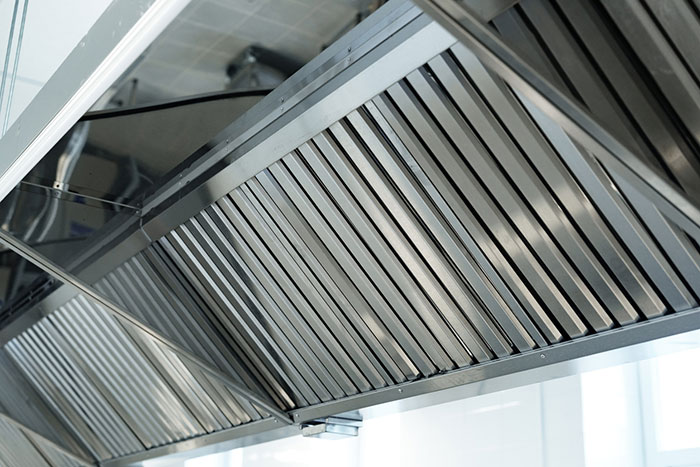
A dirty exhaust fan is one of the fastest ways hygiene breaks down in a commercial kitchen. Once grease coats the fan blades and housing, the unit stops pulling smoke, steam, and airborne grease particles out of the cooking area the way it’s supposed to. That trapped air settles back down onto prep surfaces, plating stations, and sometimes the food itself. Regular exhaust fan cleaning isn’t a maintenance nicety. It’s a hygiene control point, the same way handwashing stations and food storage temperatures are.
Most kitchen operators think about exhaust fans in terms of fire risk, and that’s a real concern. But the hygiene side gets overlooked far more often, and it’s arguably the part that affects customers and staff every single day, not just in a worst-case scenario. If it’s been a while since your exhaust system had a proper professional clean, it’s worth looking into kitchen exhaust fan cleaning before it becomes a compliance issue rather than a maintenance task.
What a Dirty Exhaust Fan Actually Does to Kitchen Hygiene
An exhaust fan’s job is airflow. Pull grease-laden vapor, smoke, and heat away from the cooking line before it settles anywhere. When grease builds up on the blades and inside the housing, the fan has to work harder to move the same volume of air, and eventually it can’t move enough air at all.
Here’s where the hygiene problem starts. Grease film on fan components doesn’t just sit there looking bad. It traps moisture, dust, and food particles, and that combination is exactly what bacteria and mold need to grow. A fan that hasn’t been cleaned in months isn’t just dirty, it’s actively hosting the kind of microbial growth that health inspectors are trained to flag.
Then there’s the redistribution problem. Once airflow slows down, grease particles that would normally get pulled out through the duct system instead drift back into the kitchen. They land on stainless steel counters, on the top of the fryer, on food that’s sitting out during prep. A kitchen can look spotless at floor level and still have a hygiene issue happening above the eye line, on the ceiling-mounted fan nobody checks.
A few things happen once a fan loses efficiency:
- Grease particles that should exit through the duct settle back onto nearby surfaces
- Moisture gets trapped instead of vented, creating conditions bacteria and mold need to grow
- Odors that would normally clear out linger in the air long after service ends
- Heat builds up faster in the kitchen because airflow isn’t cycling properly
How Grease Buildup Happens Over Time
Not every kitchen accumulates grease at the same rate, and that’s worth understanding before setting any cleaning schedule.
A fry-heavy operation, think fried chicken, fish and chips, doughnuts, generates far more airborne grease than a kitchen doing mostly grilling or sautéing. Frying releases fine grease particles into the air constantly, and those particles are hot and sticky when they hit the fan. As they cool, they harden into a tacky film that grabs dust, flour, and debris out of the air, which makes the buildup thicker and stickier with each passing day.
A low-volume café doing mostly espresso and pastries will see a fraction of that buildup. The exhaust fan still needs attention, just not on the same timeline as a high-output fryer station.
Health Risks Linked to Poor Exhaust Fan Hygiene
The health risks here fall into a few distinct categories, and they don’t only affect customers.
Kitchen staff breathe that air for entire shifts. Poor ventilation from a clogged exhaust system means more airborne grease particles, smoke residue, and in some cases mold spores circulating through the workspace. Over time, that’s a real respiratory concern for line cooks, not just an inconvenience.
Cross-contamination is the other piece. Grease residue that drips or flakes off a dirty fan housing can land directly on prep surfaces below it. If that surface is used for plating or food prep without being re-sanitized, contaminants move straight from the exhaust system into the food.
Lingering odor is usually the first sign something’s wrong, and it’s worth paying attention to. A kitchen that smells like old grease even after the floors are mopped and the counters are wiped down almost always has a ventilation hygiene problem, not a floor-cleaning problem.
To sum up the main hygiene risks in one place:
- Staff health: prolonged exposure to poor air quality and grease-laden smoke
- Food contamination: grease residue dripping onto prep surfaces and plating stations
- Odor retention: a sign that airborne contaminants aren’t being cleared properly
- Pest attraction: grease buildup can draw pests, which brings its own hygiene issues
Why This Matters More in High-Heat, High-Volume Kitchens
Restaurants running back-to-back service, bakeries with ovens running most of the day, hospital and correctional facility kitchens producing hundreds of meals, all of these environments put more strain on exhaust systems and need tighter hygiene oversight as a result. The same rules apply everywhere, but the margin for error shrinks considerably in high-volume settings, because there’s simply more grease moving through the system per hour.
Bakeries face a related but distinct issue, since flour dust combines with oven grease in a way that clogs systems differently than fryer grease alone. That’s a topic worth its own conversation, but it underscores that exhaust hygiene isn’t one-size-fits-all.
How Often Should a Kitchen Exhaust Fan Be Cleaned
The National Fire Protection Association’s NFPA 96 standard is the benchmark most commercial kitchens reference, and while it’s framed around fire protection, the cleaning intervals it recommends double as solid hygiene guidance because they’re based on how fast grease actually accumulates.
As a general guide:
- High-volume kitchens (24-hour diners, solid-fuel cooking, heavy fryer use): monthly cleaning
- Moderate-volume kitchens (typical full-service restaurants): quarterly cleaning
- Lower-volume kitchens (seasonal operations, limited frying): semi-annual cleaning, adjusted based on actual use
These are starting points, not fixed rules. Actual usage matters more than the calendar. A restaurant that suddenly adds a fried menu item mid-year may need to move up its cleaning schedule accordingly.
Health inspectors increasingly check exhaust system condition as part of routine hygiene audits, not just fire safety walkthroughs. A visibly greasy fan or hood is a red flag during an inspection, and it can affect scoring even if every other part of the kitchen passes.
Signs Your Exhaust Fan Needs Cleaning Now, Not Later
A few warning signs tend to show up before things get bad enough to fail an inspection:
- Visible grease dripping or pooling around the fan housing or hood edges
- Smoke or haze that lingers in the kitchen well after service ends
- A noticeably louder or straining fan motor, which usually means it’s fighting against buildup
- Persistent grease odour that cleaning the floors and counters doesn’t resolve
Any one of these on its own is worth investigating. More than one at the same time usually means cleaning is overdue.
DIY Cleaning vs. Professional Cleaning — What Actually Meets Hygiene Standards
Wiping down the visible parts of a fan housing helps, but it doesn’t come close to what a full hygiene-focused cleaning requires. DIY cleaning typically reaches the surfaces staff can see and access easily. It rarely touches the ductwork, the internal fan blades, or the areas behind the housing where grease accumulates fastest and is hardest to reach.
Professional exhaust cleaning goes further. A typical professional visit includes:
- Disassembling fan components where needed to access hidden buildup
- Cleaning the full duct run, not just the visible hood or housing
- Degreasing surfaces with commercial-grade products DIY methods can’t match
- Inspecting for early wear, damage, or airflow issues while the system is open
That last point matters more than it seems. Catching a failing motor or a warped fan blade during a routine clean is far cheaper than dealing with a breakdown mid-service.
There’s also a documentation gap that matters more than most kitchen operators realize. Health departments and insurance providers often want dated, verifiable service records showing when and how an exhaust system was cleaned, not just a visual confirmation that it looks clean today. A professional service typically provides that paperwork, including certification confirming the work meets the relevant compliance standard. A quick DIY wipe-down doesn’t leave a trail, which can become a real problem if an inspection or an insurance claim ever asks for proof.
Building Exhaust Fan Cleaning Into a Regular Hygiene Routine
The most common mistake kitchens make isn’t skipping cleaning altogether. It’s treating the exhaust fan as separate from the rest of the hygiene routine. Floors get mopped nightly and counters get sanitized between prep tasks, but the exhaust fan sits overhead, out of sight, and gets forgotten until smoke stops clearing properly or an inspector points it out. Pairing exhaust fan cleaning with existing deep-clean schedules, backed by a simple maintenance log, solves this and makes it easier to spot patterns like faster grease buildup during certain menu seasons.
Hygiene in a commercial kitchen isn’t just about what’s visible at counter height. The exhaust system does constant, invisible work to keep contaminants out of the air, and it deserves the same consistent attention as anything else that touches food safety. If you’re not sure where your kitchen currently stands, Big Ben Services can assess your exhaust system and put a proper cleaning schedule in place. Get in touch for a free quote.
Frequently Asked Questions
How often should a kitchen exhaust fan be cleaned for hygiene purposes?
It depends on cooking volume. High-volume kitchens with heavy frying should clean monthly, moderate-volume restaurants quarterly, and lower-volume kitchens can often stretch to every six months based on actual use.
What health risks come from a dirty exhaust fan?
Poor ventilation exposes kitchen staff to airborne grease particles, smoke residue, and potential mold spores. Over time, this can contribute to respiratory irritation and creates conditions for cross-contamination on nearby prep surfaces.
Can grease buildup affect food quality?
Yes. When airflow slows down, grease particles that should be vented out settle back into the kitchen, including onto prep surfaces and food that’s exposed during cooking or plating.
Does exhaust fan cleaning improve indoor air quality?
It does. A clean, properly functioning fan clears smoke, heat, and airborne grease efficiently, which reduces the amount of residue and odor circulating through the kitchen.
Is professional cleaning better than DIY for hygiene compliance?
Generally, yes. Professional cleaning reaches ductwork and internal components DIY methods usually miss, and it comes with dated service records that health inspectors and insurers often require as proof of compliance.
What hygiene certifications require documented exhaust cleaning?
Standards like NFPA 96 are commonly referenced by health departments and insurers, and many food safety audits ask for dated cleaning records rather than just a visual check.