Why Commercial Kitchen Cleaning Is Essential for Food Safety and Compliance
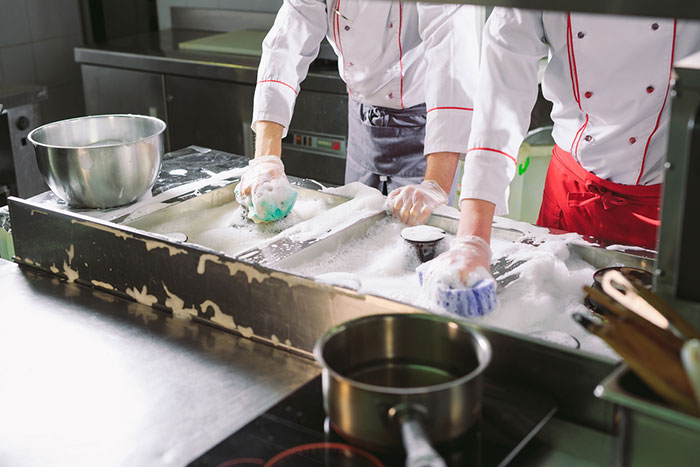
Commercial kitchen cleaning isn’t just about appearances. It’s a legal and operational requirement that directly determines whether a kitchen passes health inspections, avoids foodborne illness outbreaks, and stays open for business. Skip it, and the risk isn’t just a bad review, it’s fines, closure notices, or worse. Regular, professional commercial kitchen cleaning is what keeps a kitchen consistently audit-ready rather than scrambling before an inspection.
Every food safety regulation in Australia, from state health codes to HACCP-based food safety plans, treats cleaning and sanitation as a core control point, not an optional extra. Understanding why that is, and what “clean enough” actually means in a compliance context, makes the difference between a kitchen that passes inspection and one that gets shut down.
What Food Safety Regulations Actually Require
Most food businesses operate under a food safety program built around HACCP principles, Hazard Analysis and Critical Control Points. Cleaning and sanitation show up as a specific control point in that framework, not a background task.
In practice, this means:
- Surfaces that touch food must be cleaned and sanitized on a defined schedule, not just when they look dirty
- Equipment like ovens, fryers, and cool rooms need documented cleaning routines
- Exhaust systems and ventilation fall under fire and hygiene codes simultaneously
- Cleaning records need to be kept and available for inspection, not just performed
Local council health departments enforce these standards through routine inspections, and non-compliance triggers a range of responses. A first-time minor issue might get a warning. Repeated or serious violations can lead to fines, suspension of trading, or in severe cases, permanent closure.
How Cleaning Affects Health Inspection Scores
Health inspectors don’t just check for visible dirt. They’re assessing whether a kitchen’s cleaning practices are systematic and repeatable, because a one-off clean before an inspection doesn’t reflect what actually happens day to day.
Inspection scoring typically weighs several factors:
- Surface cleanliness across prep areas, food contact surfaces, and storage
- Equipment condition, including grease buildup in ovens, fryers, and exhaust systems
- Pest evidence, which often traces back to food residue and grease that wasn’t cleaned properly
- Documentation, meaning cleaning logs, sanitation schedules, and service records from professional cleaners
A kitchen that looks clean on the surface can still fail if there’s no paper trail showing consistent practice. Inspectors have seen enough last-minute scrubbing to know the difference between routine hygiene and a rushed cleanup.
What Areas Get the Most Scrutiny
Some parts of a commercial kitchen draw more inspection attention than others, usually because they’re harder to clean and easier to neglect.
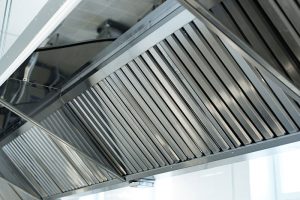
- Exhaust systems and range hoods, where grease accumulates fastest and is hardest to reach without proper equipment
- Cool rooms and refrigeration units, checked for both cleanliness and correct temperature control
- Floor drains and grease traps, common sources of bacteria growth and pest attraction
- Behind and underneath equipment, areas that get skipped in daily cleaning but accumulate debris over time
- Food storage areas, checked for cross-contamination risk between raw and ready-to-eat items
These are the areas that separate a superficial clean from one that actually meets compliance standards, and they’re exactly where a professional cleaning service focuses its attention.
Can Poor Kitchen Hygiene Lead to Business Closure?
Yes, and it happens more often than most operators expect. Health departments across Australia have the authority to issue closure orders when a kitchen presents an immediate risk to public health. This isn’t limited to obvious cases like a pest infestation. Persistent grease buildup, inadequate sanitation records, or repeated failed inspections can all trigger the same outcome.
Beyond the legal risk, there’s the reputational one. A single food safety incident that traces back to poor kitchen hygiene can end up in local news or online reviews, and that kind of damage tends to stick around far longer than the fine itself.
How Often Do Compliance Standards Require Deep Cleaning
Deep cleaning frequency depends on the type of kitchen and its output, but most food safety programs expect it well beyond daily wipe-downs.
- High-volume kitchens (restaurants, fast food, catering operations) typically need deep cleaning monthly, covering equipment interiors, exhaust systems, and hard-to-reach areas
- Moderate-volume kitchens often work on a quarterly deep clean schedule
- Lower-volume or seasonal operations may stretch to twice a year, provided daily and weekly cleaning routines are solid
Daily and weekly cleaning handle the surface level. Deep cleaning is what addresses the buildup that daily routines can’t reach, and it’s usually the piece that inspectors specifically ask about.
What’s the Difference Between Cleaning and Sanitizing
This distinction trips up a lot of kitchens, and it matters for compliance.
Cleaning removes visible dirt, grease, and food residue from a surface. It’s the physical act of scrubbing, wiping, or washing something until it looks and feels clean.
Sanitizing goes a step further. It reduces the number of harmful bacteria and pathogens on a surface to a safe level, usually through heat or chemical sanitizers applied after cleaning.
A surface can look spotless and still carry enough bacteria to cause illness if it hasn’t been sanitized. Food safety regulations require both steps, in that order, for anything that touches food directly. Skipping sanitizing because a surface “looks clean” is one of the more common compliance gaps inspectors catch.
Building a Kitchen That Passes Inspection Every Time
Kitchens that consistently pass inspections tend to have one thing in common: cleaning isn’t treated as a reaction to an upcoming audit. It’s built into daily operations, backed by records, and covers the areas that are easy to overlook, not just the ones that are easy to see.
Pairing routine staff cleaning with scheduled professional deep cleans covers both ends of that requirement. Staff handle the daily surface-level work. Professional cleaners handle the equipment, ductwork, and buildup that need specialized access and equipment to clean properly, along with the documentation to prove it.
If your kitchen’s cleaning routine hasn’t been reviewed against current compliance standards recently, Big Ben Services can help identify gaps before an inspector does. Get in touch for a free quote.
Frequently Asked Questions
What food safety regulations require professional kitchen cleaning?
Most food businesses operate under HACCP-based food safety programs, which treat cleaning and sanitation as a required control point. Local health codes and standards like AS 1851 for exhaust systems also apply, depending on the equipment involved.
How does cleaning affect health inspection scores?
Inspectors assess surface cleanliness, equipment condition, pest evidence, and documentation. A kitchen with no cleaning records or visible grease buildup in equipment will score lower, even if the front-of-house areas look fine.
What areas are most scrutinized during inspections?
Exhaust systems, cool rooms, grease traps, floor drains, and the areas behind and underneath equipment tend to draw the closest attention, since these are the spots most often missed in routine cleaning.
Can poor kitchen hygiene lead to business closure?
Yes. Health departments can issue closure orders for kitchens presenting a public health risk, which includes persistent grease buildup, inadequate sanitation, or repeated failed inspections, not just obvious issues like pest infestations.
How often do compliance standards require deep cleaning?
It depends on kitchen volume. High-output kitchens typically need monthly deep cleaning, moderate-volume kitchens quarterly, and lower-volume operations around twice a year.
What’s the difference between cleaning and sanitizing?
Cleaning removes visible dirt and residue. Sanitizing reduces bacteria and pathogens on a surface to a safe level, usually after cleaning. Food safety regulations require both steps for any surface that touches food.